
Put your skills
to work for science.
Climbing, diving, engineering, mapping, or field logistics: your experience can help researchers work in places they could not readily reach on their own.
Introduce yourselfTell us what you bring
Share your experience and interests. This starts a conversation about fit.
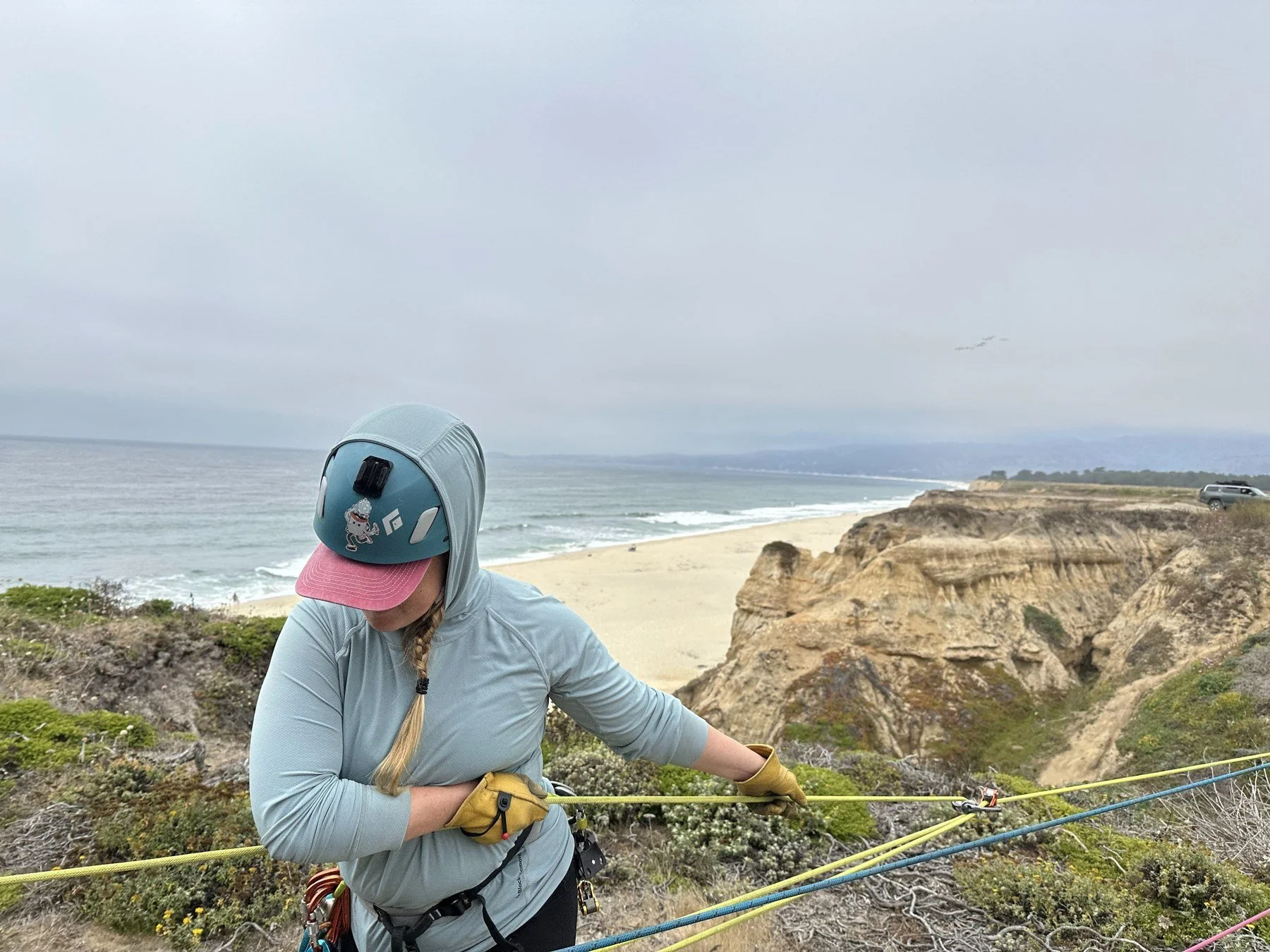
From the STSEA media library
Preparation is part of the contribution
The fieldwork is only one part of the job. STSEA’s project records include technical practice, research-method training, equipment preparation, and team coordination.
A defined role.
A scientific purpose.
STSEA connects skilled volunteers with research needs. Interest is the first step; participation depends on project fit and preparation.
Which skills can contribute?
STSEA’s volunteer network includes climbers, mountaineers, divers, pilots, engineers, and other specialists. Mapping, software, data collection, and logistical experience can also be relevant. Tell us what you know and what you want to contribute.
What do selection and training involve?
Experience and preparation need to match the role. Project records show capability assessment, technical practice, and research-method training. Expressing interest does not guarantee a field assignment.
What about location, time, and expenses?
These depend on the project and role. Share your base and availability so they can be discussed, along with preparation, travel, equipment, and any costs, before you commit. No fixed schedule or reimbursement arrangement is promised here.